Fresh Air Exchange (FAE): What is it and why is it so important?
Fresh Air Exchange refers to the principle of regularly replacing the air within the growing environment with fresh air, namely to provide oxygen-rich air to replace the build up of CO2.
Why is FAE important?
Mushrooms "breathe" just like us, fungi take in oxygen (O₂) and release carbon dioxide (CO₂).
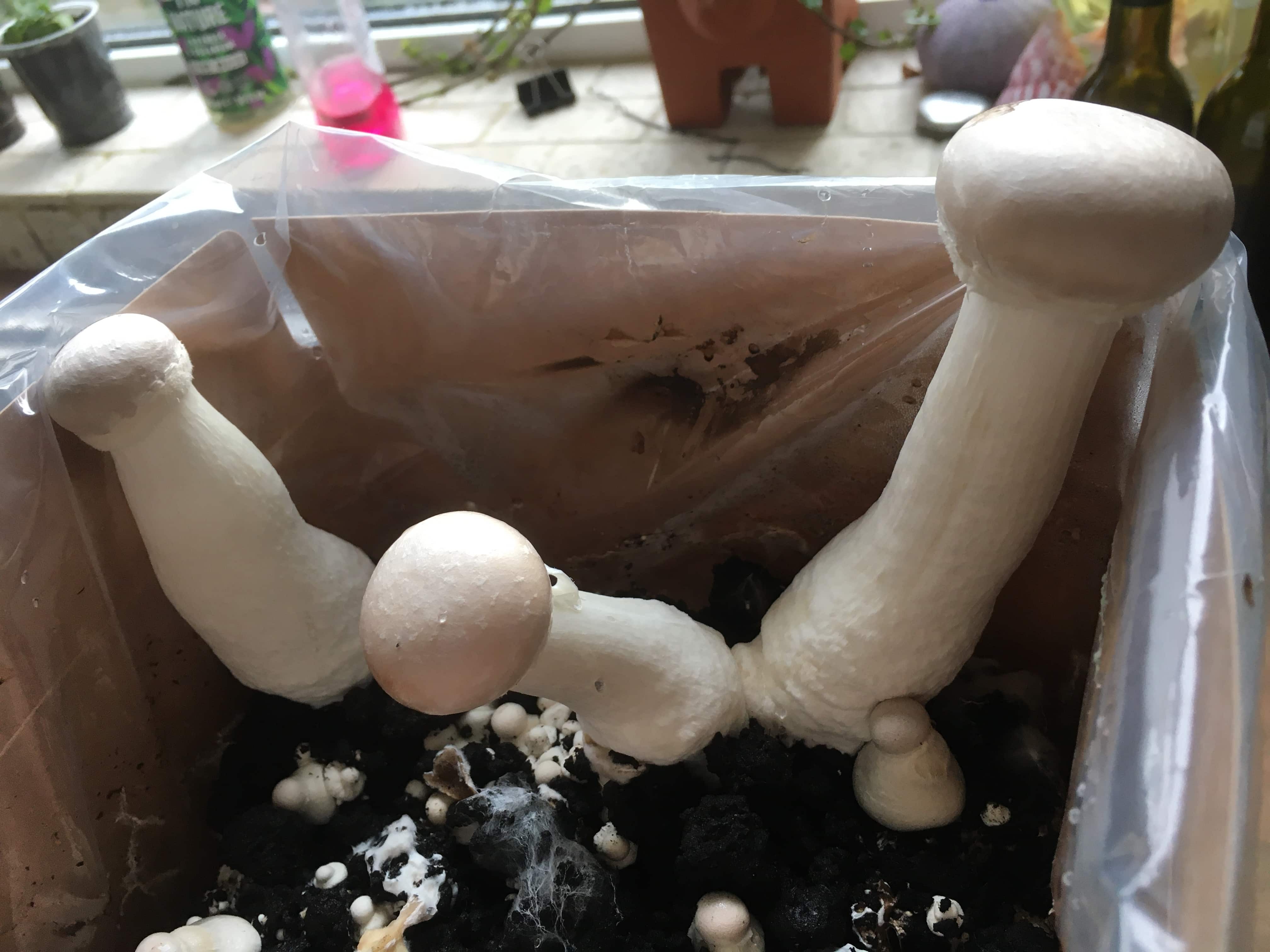
If CO₂ builds up (from mycelium and fruiting bodies), mushrooms grow long, thin stems and small caps ("leggy" or "stringy" mushrooms).
Fresh air helps mushrooms form healthy, well-shaped fruiting bodies with good caps and thick stems. If we do not provide the mushrooms with fresh air, in time the CO2 levels rapidly build up and this will cause issues for mushroom growers.
Without proper airflow, they literally suffocate themselves, leading to those disappointing harvests.
Whether you're growing Oyster mushrooms, Lion's Mane, or any of our growing kits, understanding (FAE) will dramatically improve your success rate.
Why Your Mushrooms Need Fresh Air (The Simple Science)
If your mushrooms are growing tall and skinny with tiny caps, or you're seeing white fuzz at the base of stems, you're experiencing classic signs of poor fresh air exchange. The good news? It's easily fixable!
Mushrooms, as they are growing are actively consuming oxygen and giving out CO2, they're working hard and breathing heavily. So if there is not ongoing and adequate acess to oxygen, you will run into issues.
How mushrooms behave as they grow.
🍄 Mushrooms consume oxygen 24/7, especially during fruiting
🌬️ They produce CO2 that can reach counterproductive levels without ventilation
💨 Oyster mushrooms for example are very sensitive to high CO2, so not all varieties are the same
📈 CO2 above 1,000 ppm starts causing visible growth problems
In nature, wind constantly removes CO2 and brings fresh oxygen, when growing mushrooms at home, we are far more likely to be growing mushrooms in environments which are more enclosed. In your home, you need to ensure air exchange is provided, without offering draughts which cause other issues. Otherwise CO2 builds up like a invisible blanket, suffocating your mushrooms and causing all sorts of weird growth patterns.
Spot the Signs: Is Your Kit Suffering from Poor FAE?
The Classic "Leggy Mushroom" Problem
When mushrooms can't breathe properly, they stretch upward searching for fresh air. You'll see:
- Stems 2-3 times longer than normal
- Thin, weak stems that can't support themselves
- Tiny caps that never fully open
- Mushrooms growing sideways or even downward
⚠️ Don't confuse with stretching for light!
Mushrooms reaching for light lean toward the light source. CO2 problems cause vertical stretching regardless of light direction.
Deformed Mushrooms
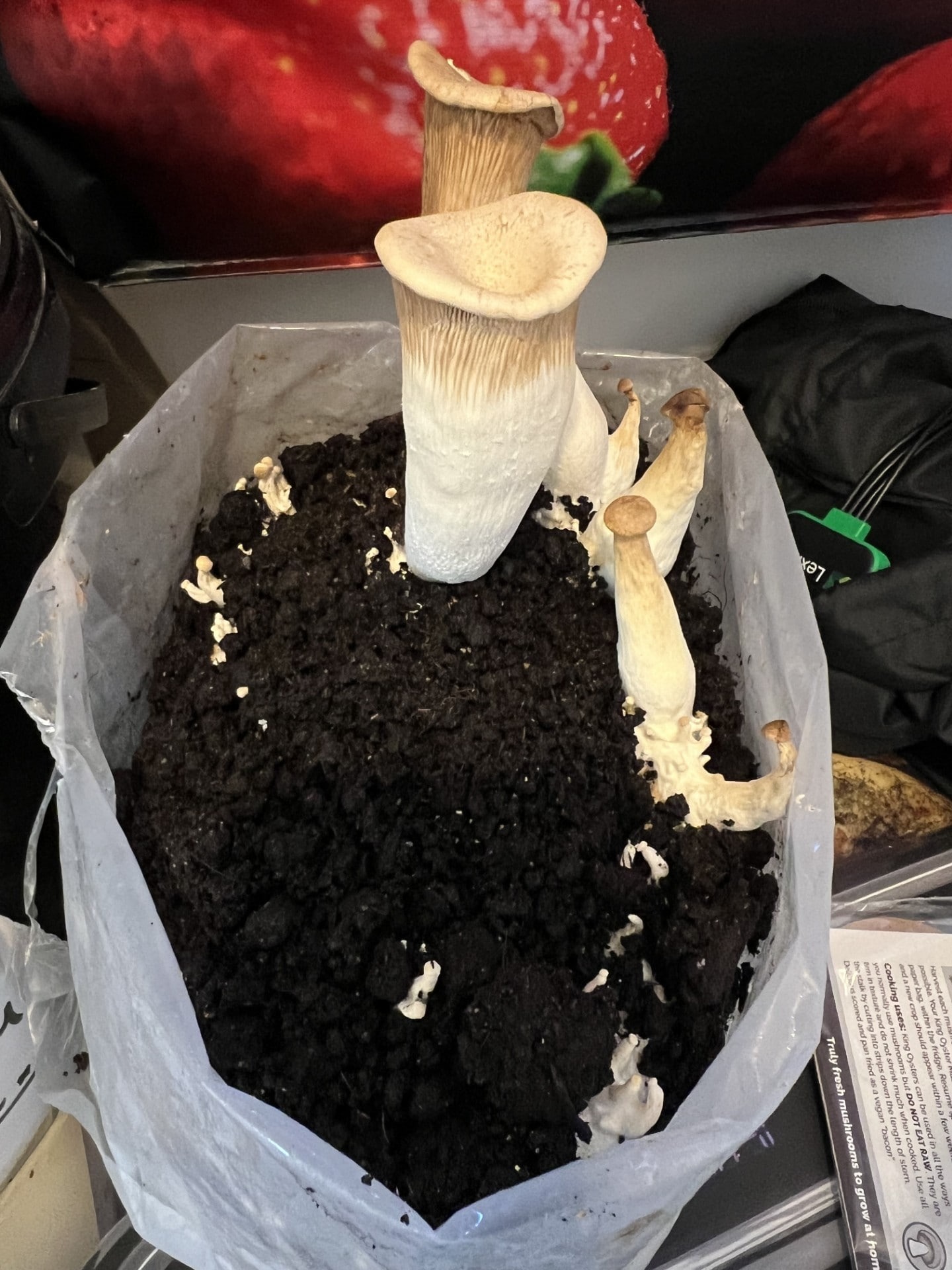
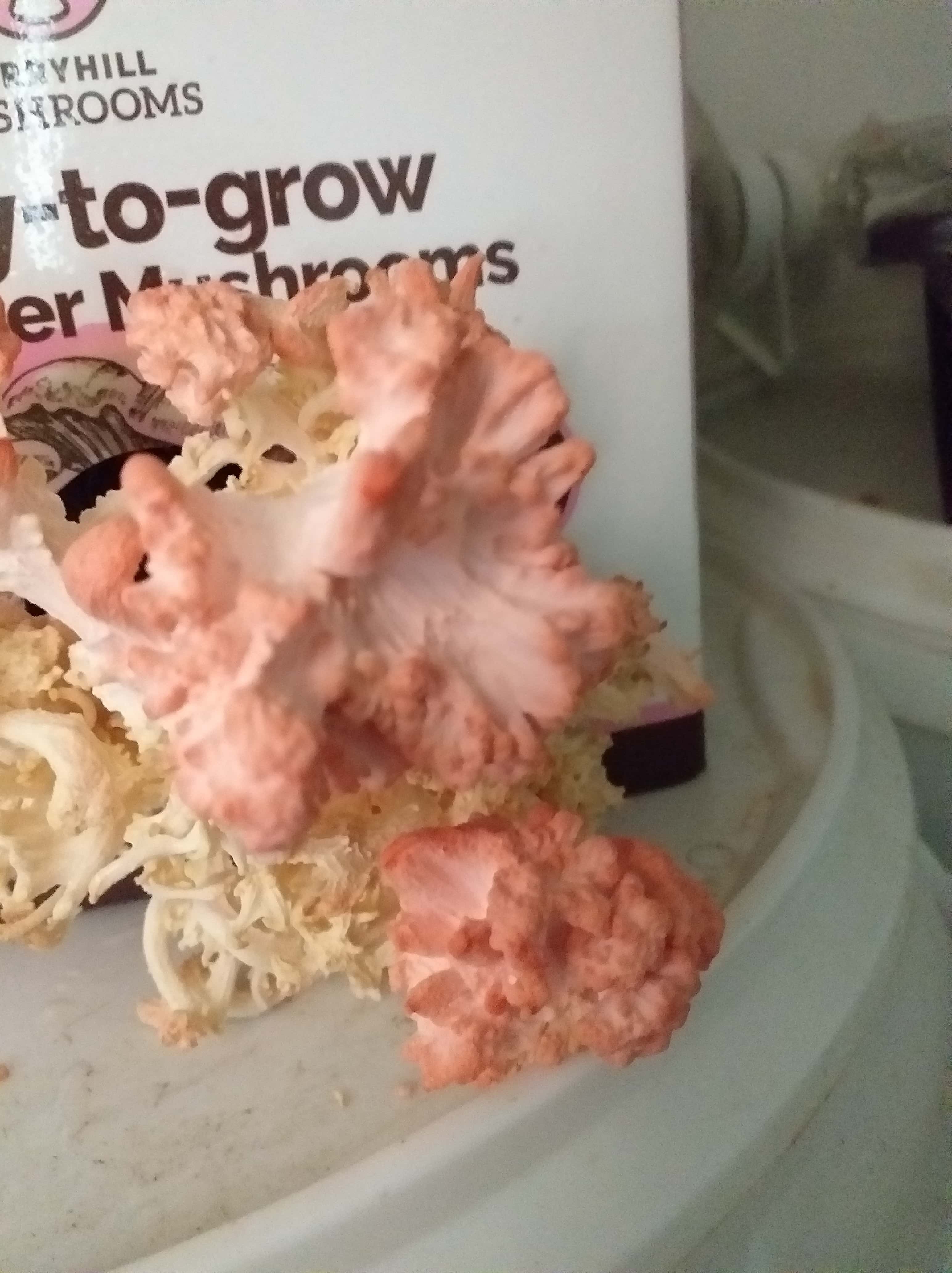
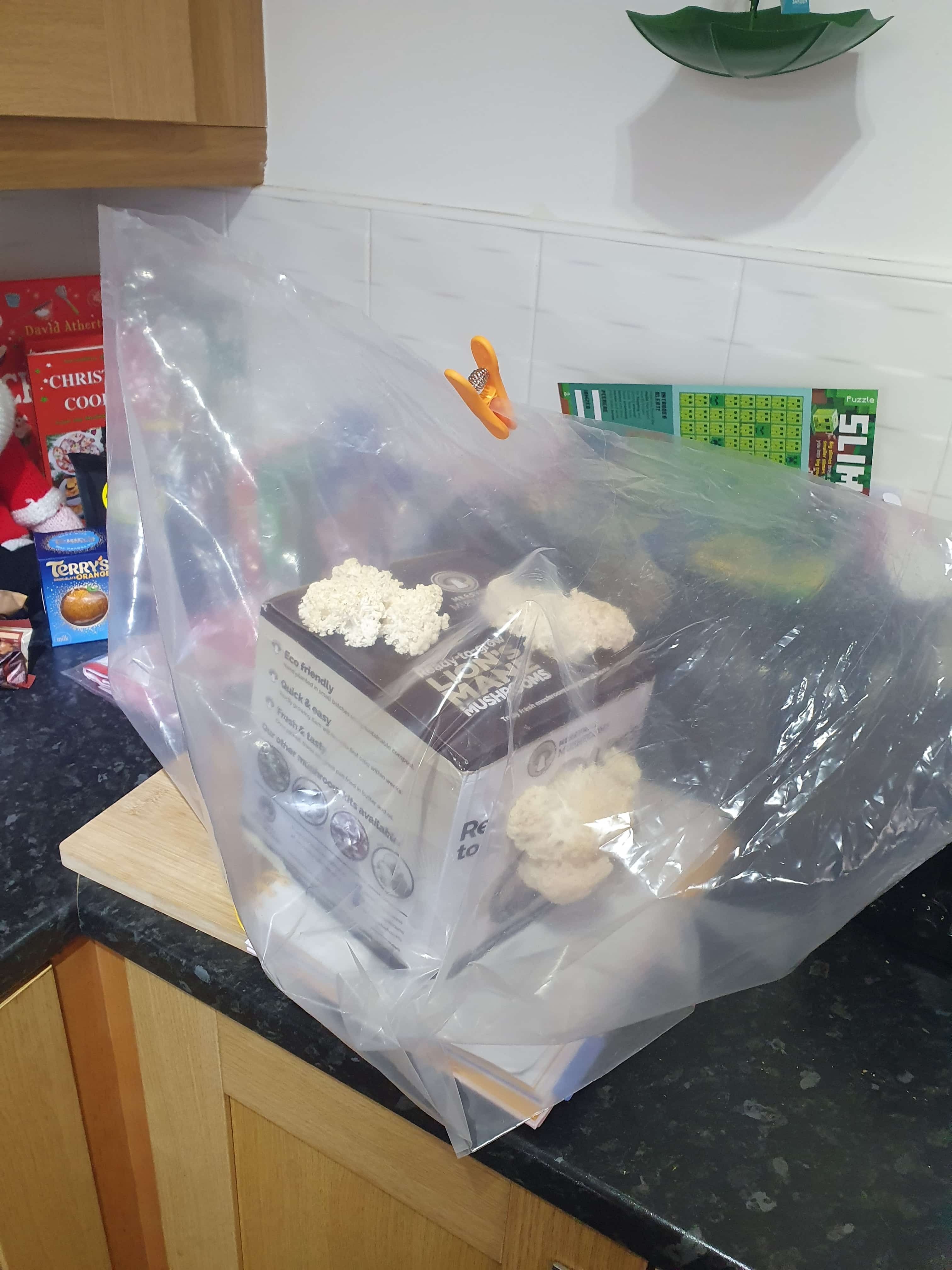
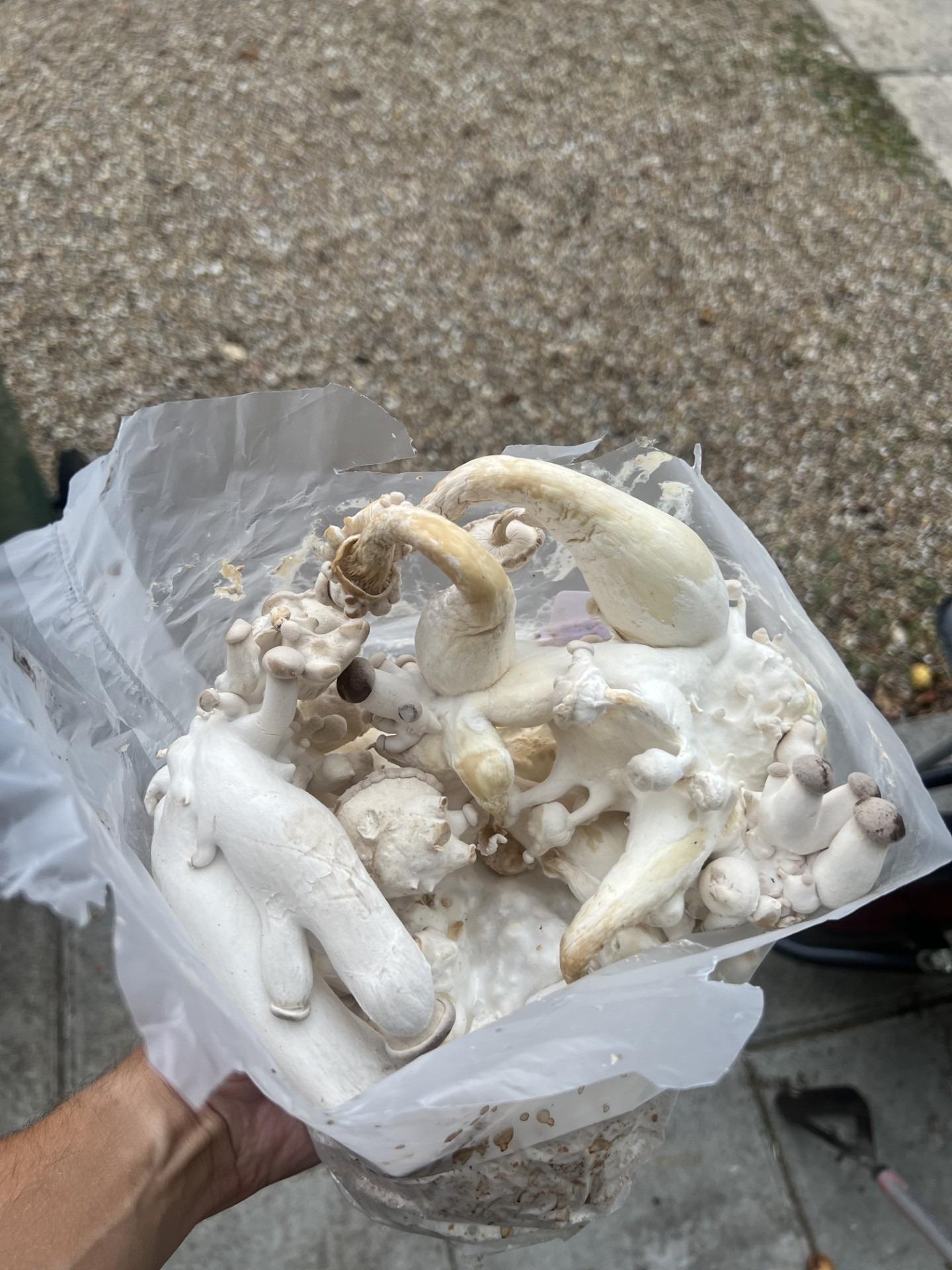
Mushrooms that cant work out where it should be growing caps, gills and stems? High CO2 will confuse the mushroom into growing in deformed and odd ways, here we have some images of King Oyster and Lion's Mane growing in truly strange ways, solely due to high CO2, once we added more Oxygen into the environment, this issue went away. It would be very costly for a commercial mushroom farm if one of the fans providing fresh air broke!
Good News: Mushrooms that are grown in High CO2, wont be a problem to consume, they will just look different and be different to cook with.
Other Tell-Tale Signs You Need More Air:
- Small, underdeveloped caps that stay closed or barely open
- White dots or patches on caps (mycelium growing on the surface)
- Coral or antler-like growth instead of proper mushroom shapes
- Pins forming but not developing (they stall and abort)
- Slow, stunted growth despite good temperature and moisture
Every Mushroom Breathes Differently: Species Guide
Growing Different Species?
Each mushroom variety in our growing kit collection has unique air requirements. Here's what your mushrooms need:
Oyster Mushrooms
Oyster mushrooms need the MOST fresh air of any common variety. In the wild you would fine these on exposed tree trunks in windy conditions.
Lion's Mane
Lion's mane is extremely sensitive to direct airflow. They need fresh air but HATE drafts. Direct air causes their beautiful "teeth" to abort and turn brown, so ensure fresh air is provided gently.
Shiitake
Shiitake can be quite tolerant of higher CO2, especially when compared to oysters but still need good ventilation for the best yields.
Other Popular Varieties:
- Button/Portobello: Most CO2 tolerant, handle up to 2,000 ppm, so if space is limited for growing at home, these are a good choice.
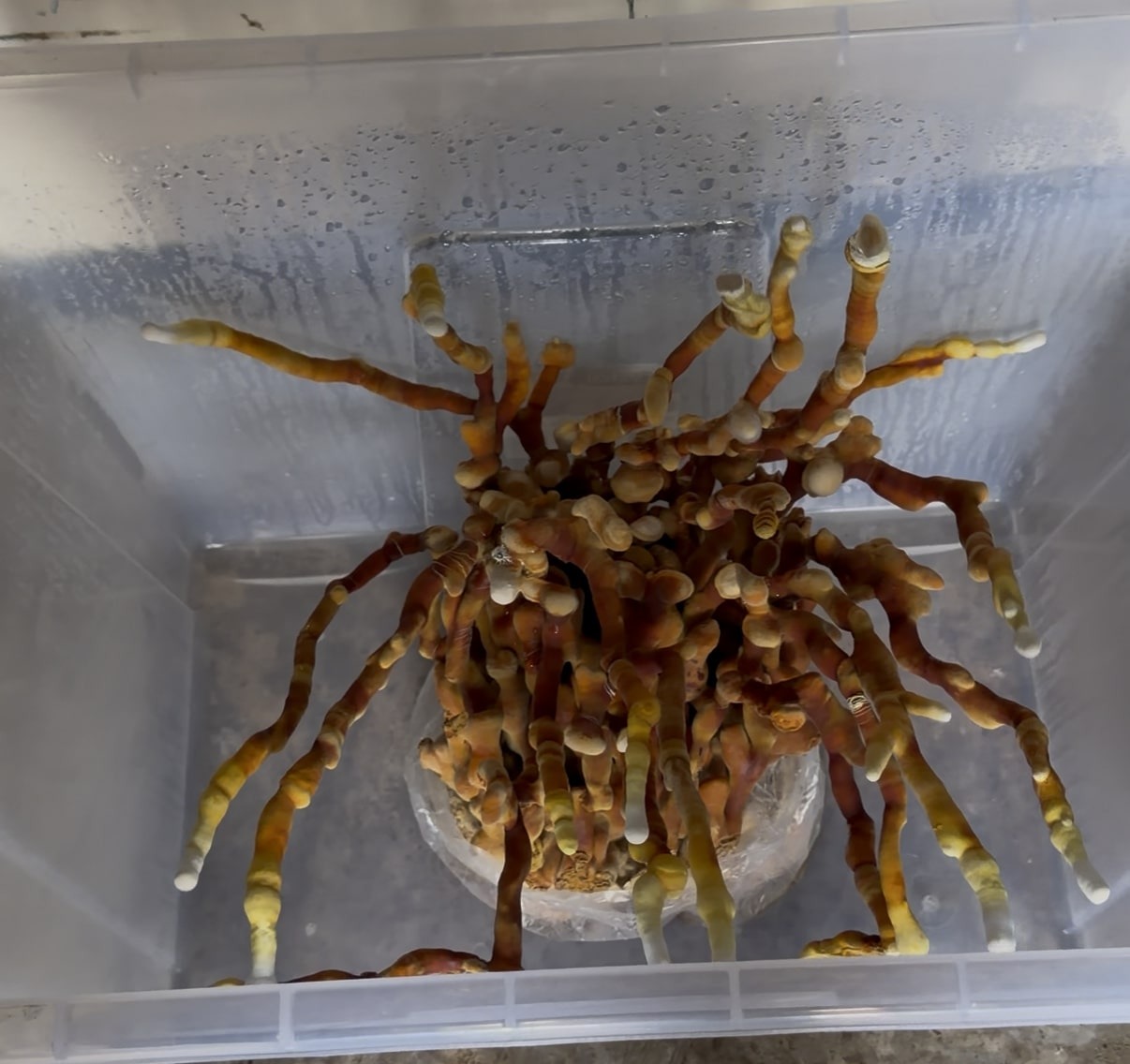
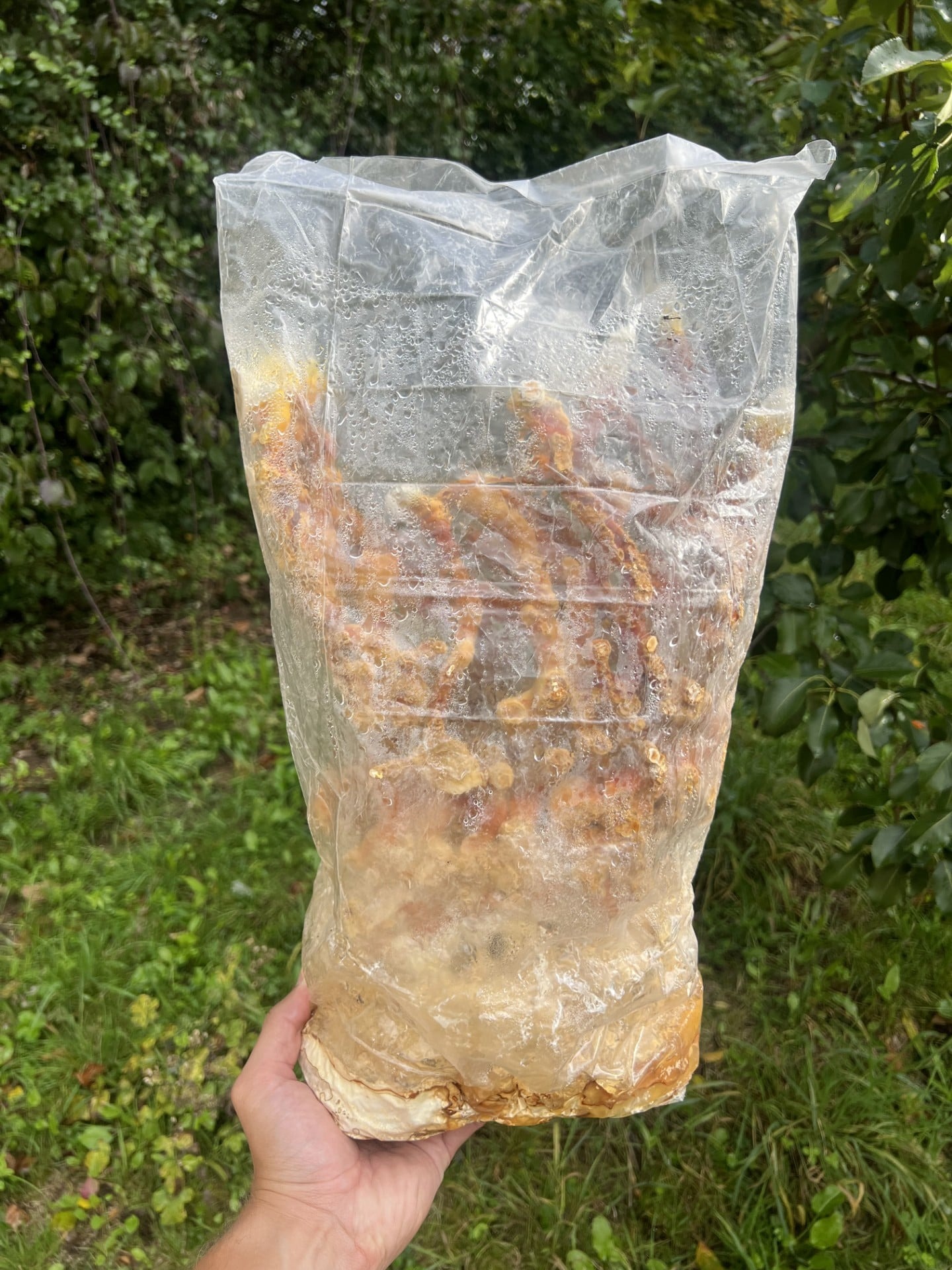
- Reishi: High CO2 creates antler forms, which is to be desired for Reishi. With our Rieshi Mushroom Growing Kit we actually instruct for this to be grown within its bag to ensure high CO2 Or grown within a sealed plastic container.
- Enoki: Actually grown with poor FAE commercially for long stems!
Mistakes to avoid when growing mushrooms at home.
⚠️ Mistake #1: The "Set and Forget" Approach
Mushroom kits aren't houseplants! They need daily attention to check air exchange, light, hydration are all correct for best results..
Top FAE Mistakes We See:
Too Little Air Exchange:
❌ Keeping the bag completely closed "to maintain humidity"
❌ Only fanning once a day (or forgetting entirely)
❌ Growing in enclosed spaces like cupboards or wardrobes
❌ Using sealed plastic containers that are too small with no ventilation
Too Much Air Exchange:
❌ Placing kits directly in front of fans or air vents or windows
❌ Over-ventilating and drying out the substrate
❌ Creating drafts that cause pins to abort
Pro Tip: Success with
our mushroom growing kits is all about balance - enough air to remove CO2, but not so much that you dry everything out!
Mushrooms That Love High CO2
Reishi Mushrooms Love High CO2, you can either grow them in their bag to ensure the high CO2 environment, the bag will slowly inflate overtime with the CO2 the mushrooms produce, or these can be grown in a large sealed plastic container to provide the high CO2 environment